Showing posts with label healthy eating. Show all posts

Tuesday, July 13, 2010

Combining Nutrients; Consuming Foods

As dietitians we are (or should be) food people. That means that people eat food not nutrition. Keeping that in the forefront of how we interact with people can be the difference between success and failure. It is our job to translate the science (nutrition) into behavior (food consumption). Therein lies the challenge!

We have spent most of our lives hearing about those things we should NOT eat in order to be healthy. The previous posting is a case in point. Food containing SoFAS should be limited. Diet recommendations were devised in order to address overconsumption of those foods we love to eat because they have contributed to our national health problems.
In order to make the Dietary Guidelines work we need to know what we can and should eat and really enjoy what we are eating. Simply put concentrate on fruits, vegetables, whole grains, seafood, eggs and nuts prepared without added SoFAS. Also low-fat milk and lean meat and poultry should be included here. When these foods are put into a total diet a full range of nutrients including those that may be in short supply (vitamin D, calcium, potassium and fiber) will be consumed. Those are the food categories which supply the needed nutrients. The next step is to choose from those categories specific foods that you like, combine them into foods that can be eaten and gradually begin to enjoy eating healthy foods. Here's an example:

For dinner tonight, my husband and I had tortillas, chicken, bell peppers, onions, salsa, black beans, and corn on the cob. Those are the foods, here's how we put them together. I use whole wheat tortillas. You might prefer corn. I dry fry them on a heated griddle just until warm but still soft. In the meantime, saute chicken tenders in pan coated with Pam type spray and some lime juice. Slice onions and cut peppers into strips. Add to chicken in skillet and cook until soft and tender. I add a southwestern type seasoning mix for added flavor. Assemble the tortillas by adding the chicken mixture to the tortilla and top with salsa. Serve with corn on the cob and heated flavored black beans. It's a simple, quick supper that's full of flavor. Add a light sour cream, low fat pepper cheese or sliced guacamole for variety. Another day I might use a whole grain pasta, different vegetables like broccoli, spinach, zucchini or mushrooms - better yet all of them. Combined with a marinara sauce and served with a salad and bread makes another terrific meal. A nutrient-dense diet can be supported by a variety of eating patterns. We can delve into them on another day. Until then, know that the variety of your diet is limited only by your ability to generate ideas.
Happy, Healthy Eating
Marcia




Tuesday, June 22, 2010

The Culture of Yogurt


Yogurt has gotten a lot of good press in recent years primarily due to the active bacterial cultures that are a part of this unique food. I often receive questions regarding the validity of these claims to their attributes. So what's the scoop? Researchers are exploring how yogurt and its cultures may have a beneficial effect on the immune system and how yogurt may help play a role in reducing cholesterol levels and preventing certain diseases.

Potential health attributes associated with eating yogurt go beyond protein and calcium according to a report out of Tufts University. According to an article from the American Journal of Clinical Nutrition yogurt may help make the immune system more resilient. Eating yogurt may help protect the intestinal tract and there are promising indicators that there may be positive effects on other chronic conditions. This is believed to be due in part to the live, active cultures found in yogurt. How?
  • Enzyme in yogurt help improve lactose tolerance by acting as the enzyme in the gut that digests lactose.
  • Yeast infections were decreased in yogurt eaters as reported by another study (Annals of Internal Medicine).
  • Babies are less likely to experience childhood diarrhea if fed breast milk uninterrupted throughout infancy compared to infants who consume non-human milks. That's because the lactose in human milk is much easier to digest than cow or goat milk formulas. The exception to this rule is fermented milk products - yogurt-based foods.
  • Populations in Mediterranean regions experience lower incidences of CHD, some cancers and other diet related diseases due in part to the prevalence of yogurt in the diet pointing to a cultural model for healthy eating.

The active cultures in yogurt are considered "probiotics" which are live bacteria that are beneficial to health if there are enough of them. The intestine is kept healthy if it maintains enough good bacteria. There is no doubt that yogurt is a healthy food due in part to the active cultures it contains. Different bacterial strains are effective for different health functions. The science of probiotics is still emerging so that definitive claims are premature. Keep tuned for emerging science that will help to expand our knowledge. In the meantime...

Happy, Healthy Eating,

Marcia

Sunday, May 30, 2010

Choose Extras Lightly

Any additions to food can sabatogue a well meaning food plan. These can take the form of condiments, dressings, marinades, rubs, sauces, and thickeners to name a few. Adding flavor to what might be perceived as otherwise plain tasteless food can also add fat, sodium and unwanted calories. Let's take a look at a few.
  • Condiments - we add spreads to sandwiches and toppings to potatoes. Piling on can mean piling up calories we don't know we are eating. Rules of thumb... choose those with little or no fat and add just enough for flavor but don't overwhelm. I personally stick with mustard on sandwiches and salsa for potatoes. If you go more for mayonnaise type spreads try 'cutting' it with mustard, horseradish or yogurt. Or how about the low-fat or fat-free versions. Salsa is not only low in fat and calories but the tomatoes and peppers add lots of nutrients - vitamin A, C and phytochemicals

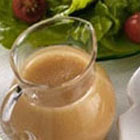
  • Dressings - It has been said that dressing can sabotage an otherwise healthy salad. A 1/4 cup of full-fat salad dressing will add at least 400 calories. Choose lower fat or fat free or better yet change up your method of putting together salad and dressing. An tried and true Weight Watchers technique recommends using a fork to dip into dressing and then pierce the salad. You will be surprised how much flavor you receive and how little dressing is consumed. Another idea is to thin out the dressing - non-fat milk with a creamy style dressing and vinegar, lemon juice or water with a vinegrette type. Pour some dressing onto a salad in closed container and shake to coat. Works every time!

  • Marinades - These are made from an acid such as lemon juice, vinegar (any type) or wine, herbs and/or spices coupled with a little oil serves to add both flavor and tenderness to lean meat, poultry or fish. The acid is key to creating tenderness as it allows the muscle protein to hold more water resulting in a juicier end result. The herbs and spices add the distinctive flavor and the oil serves as protection for the outer layer of the food. Red meats can be marinated for longer periods of time - 4,5,6 hours or even overnight while poultry being more mild in flavor only needs an hour or two and fish about 30 minutes. For example if fish is left in a strong flavored marinade for a long period of time the only thing you will taste is whatever is in the marinade - the flavor of the fish will not come through.

  • Rubs - This is my favorite - at least for meat, fish and poultry. It is simple to apply and commercially available. If you are not familiar with rubs they are simply seasoning mixes that you literally rub onto the meat. The food is then cooked at a high temperature for a short period of time, usually grilled or pan fried, just prior to serving. Here's one you can try...

DRY RUB

3/4 cup paprika

1/4 cup each ground black pepper, salt and granulated sugar

2 Tbsp. each chili powder, onion powder, garlic powder

2 tsp. cayenne pepper

Combine all ingredients and store in closed container in dry place.


Sauces and thickeners are special cases that we'll deal with another day. Instead of being add ons they tend to be an integral part of the item and are used in everything from appetizer to dessert. The bad news is that they can indeed be a source of hidden fat and calories; the good news is there are easy, flavorful ways to compensate, I promise!


Happy, Healthy Eating!

Marcia


Friday, May 21, 2010

Got milk?


Bones are made mostly of calcium. The best source of calcium in the food we eat, by far, is milk and the foods made from milk like cheese and yogurt. So logic would lead us to believe that in order to have strong bones we need to eat dairy foods - right? But what if we just don't like the taste of milk and don't think we can afford the calories and fat usually found in cheese?

With just a little creativity and thinking outside the pyramid if you will, getting those 3 - 4 servings of calcium-rich dairy foods is a snap! Begin by choosing fat-free or lowfat milk, yogurt and cheese. If you prefer full fat or 2% milk then step down gradually. Mix 2% and whole milk first, then go to straight 2%, next mix 1 and 2% and so on until you reach straight fat-free and actually prefer it. Also consider the following ideas:
  • Order latte made with fat free milk (happens to be my favorite drink at the local coffee shop)


  • Make oatmeal, creamy soups or mixed dishes with low-fat milk instead of water or broth - remember not to boil as milk will curdle


  • Stock up on cheese sticks, yogurt cups and yogurt drinks for calcium-rick snacks - choose low-fat or fat-free varieties.


  • Top fruit and granola with your favorite yogurt.


  • Use flavored yogurt as a topping for pancakes or waffles.


  • Plain yogurt is great as a base for dips or topping for baked potatoes instead of sour cream - not only do you get a lot more calcium but you save on fat as well.


  • Stock up on evaporated fat-free milk to use in coffee, hot cocoa and to replace cream and half & half in recipes.

Check out 3aDay (http://www.nationaldairycouncil.org/educationlmaterials) for recipe ideas that incorporate low-fat and fat free cheese into terrific meal ideas and as always...


Happy Healthy Eating


Marcia


Sunday, May 9, 2010

Healthy Living Made Easy

Welcome to the world of healthy living made easy!

I am Marcia Scheideman a registered dietitian and fellow advocate of healthy living. Food is my passion. Cooking and eating healthy and simple is what I do best. It's much easier and more economical that you may think.

As an RD, I comb through every last bit of information on food as it relates to health. what I can promise you is that I will translate that information for you and make eating well and living well easy, simple and very enjoyable. Really!

Stay tuned...
Marcia