Showing posts with label grilling. Show all posts

Sunday, June 6, 2010

Best Backyard Burgers

Hamburger heaven - hot flames, high heat and a juicy burger what could be better on a sunny afternoon? That's what summertime is all about. Try some fun flavors and fresh condiments to satisfy your burger cravings. But first follow these simple strategies and grill the best burger on your block...
  • Make sure the grill temperature is correct - medium low to medium heat is best. Too hot, and burgers burn on the outside before getting done on the inside. Burgers keep moist and cooking time is shortened if you put a lid over the burgers.
  • Use beef that is no leaner than 85% - I know that's not the advice I usually give but grilling can dry out meat very quickly and a little fat keeps the burgers moist and flavorful. If you choose ground chicken, or turkey that is leaner than 85% add some broth or a little oil
  • Be gentle - Mix ingredients just until combined. Overworked meat can produce a tougher product.
  • Avoid patties that are either too thick or too thin - 3/4 inch thickness is ideal. To keep patties from swelling in the middle, make small indentations in the center.
  • Clean and oil the grill grate - lubricating a clean grill will prevent burgers from sticking, extends the life of the grate and helps with the appearance of the food with markings that typify grilled food.
  • Turn only once - while hard to resist, avoid flattening the burgers or turning frequently as that will squeeze out the juices that exemplify flavorful, juicy burgers
  • Cook to temperature - the proper end temperature of ground meat is 160 degrees to avoid undercooking and potential safety hazards. Color is not an indicator of doneness. Use a thermometer and insert horizontally into the patty.

There's nothing better at a background barbeque than a juicy burger. Vary the seasonings, toppings and condiments to achieve different results. Take a cue from some of the burger joints that have many different types on their menu. One of my favorite is bleu cheese on the burger and served on a pumpernickel roll. My husband is partial to swiss cheese and sauteed mushrooms. The sky's the limit and lots of summer fun for everyone in your backyard!

Happy, Healthy Eating!

Marcia

Sunday, May 30, 2010

Choose Extras Lightly

Any additions to food can sabatogue a well meaning food plan. These can take the form of condiments, dressings, marinades, rubs, sauces, and thickeners to name a few. Adding flavor to what might be perceived as otherwise plain tasteless food can also add fat, sodium and unwanted calories. Let's take a look at a few.
  • Condiments - we add spreads to sandwiches and toppings to potatoes. Piling on can mean piling up calories we don't know we are eating. Rules of thumb... choose those with little or no fat and add just enough for flavor but don't overwhelm. I personally stick with mustard on sandwiches and salsa for potatoes. If you go more for mayonnaise type spreads try 'cutting' it with mustard, horseradish or yogurt. Or how about the low-fat or fat-free versions. Salsa is not only low in fat and calories but the tomatoes and peppers add lots of nutrients - vitamin A, C and phytochemicals

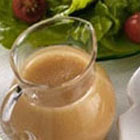
  • Dressings - It has been said that dressing can sabotage an otherwise healthy salad. A 1/4 cup of full-fat salad dressing will add at least 400 calories. Choose lower fat or fat free or better yet change up your method of putting together salad and dressing. An tried and true Weight Watchers technique recommends using a fork to dip into dressing and then pierce the salad. You will be surprised how much flavor you receive and how little dressing is consumed. Another idea is to thin out the dressing - non-fat milk with a creamy style dressing and vinegar, lemon juice or water with a vinegrette type. Pour some dressing onto a salad in closed container and shake to coat. Works every time!

  • Marinades - These are made from an acid such as lemon juice, vinegar (any type) or wine, herbs and/or spices coupled with a little oil serves to add both flavor and tenderness to lean meat, poultry or fish. The acid is key to creating tenderness as it allows the muscle protein to hold more water resulting in a juicier end result. The herbs and spices add the distinctive flavor and the oil serves as protection for the outer layer of the food. Red meats can be marinated for longer periods of time - 4,5,6 hours or even overnight while poultry being more mild in flavor only needs an hour or two and fish about 30 minutes. For example if fish is left in a strong flavored marinade for a long period of time the only thing you will taste is whatever is in the marinade - the flavor of the fish will not come through.

  • Rubs - This is my favorite - at least for meat, fish and poultry. It is simple to apply and commercially available. If you are not familiar with rubs they are simply seasoning mixes that you literally rub onto the meat. The food is then cooked at a high temperature for a short period of time, usually grilled or pan fried, just prior to serving. Here's one you can try...

DRY RUB

3/4 cup paprika

1/4 cup each ground black pepper, salt and granulated sugar

2 Tbsp. each chili powder, onion powder, garlic powder

2 tsp. cayenne pepper

Combine all ingredients and store in closed container in dry place.


Sauces and thickeners are special cases that we'll deal with another day. Instead of being add ons they tend to be an integral part of the item and are used in everything from appetizer to dessert. The bad news is that they can indeed be a source of hidden fat and calories; the good news is there are easy, flavorful ways to compensate, I promise!


Happy, Healthy Eating!

Marcia


Saturday, May 29, 2010

And the Grilling Begins

Memorial Day weekend marks the official beginning of the grilling season. While not the origin of the name, a lot of memories are made over the grill, in the back yard while enjoying grilled food or on the porch smelling all the wonderful aromas that grilled food creates.

Grilled foods are naturally low in fat since by definition it is a dry heat method of cooking that does not add or should not add extra fat. Flavor can be preserved by monitoring the heat levels and doneness of the food and following a few simple guidelines.
  • Savor that Flavor by using rubs, marinades or simply herb induced oil brushed onto the food - avoid glazes or sugar and/or fat laden sauces as they can burn easily, char the food and cause coals to flair producing more burning and a lot of smoke.

  • Keep Heat on... Medium as high heat can overcook or burn the outside leaving inside underdone. Hold your hand over the coals at cooking height. Count number of seconds before you have to pull away - 4 seconds for medium

  • Go Lean - loin, flank and round cuts of beef and pork; white meat poultry and many forms of fish are considered lean with less than 10 grams of total fat per serving. One of my favorites is the pork tenderloin. It's easy to grill and can be flavored in a multitude of ways depending on what the rest of the meal looks like.

  • Doneness - because of the lean nature of fish, chicken and certain cuts of red meat the degree of doneness will determine the tenderness. Ensure that whatever you are cooking is juicy and not dried out. The trick is to cook until done but not overdone.

  • Veggies, Fruit and Bread - don't limit your grilling to meat. With or without meat grilling can be an enjoyable, family activity. Make a kabob of colorful vegetables like peppers, squash, onions, tomatoes; brush with olive oil infused with garlic and rosemary. Add these to a pilaf of rice and cracked wheat, or cous cous and quinoa

There are some terrific websites which provide a ton of recipes for grilling all kinds of foods. Examples include www.beef.org, www.pork.org, www.salmonrecipes.net. Also check out the food network and allrecipes.com. Your local library and bookstore are also a good resource.

Happy, Healthy Grilling!

Marcia